Body-Safe Sex Toy Materials: What to Look For (and Avoid)
Not all sex toy materials are body-safe. Learn which materials are non-porous and safe, which to avoid, and how to shop with confidence.
By Mia Bennett,
Founder & Editor-in-Chief
Published June 13, 2026 · How we choose
At a glance
| # | Product | Rating | Price | Highlight | |
|---|---|---|---|---|---|
| 1 |  VibeMax Rechargeable Personal Massager - Powerful Multi Speed Vibration - Whisper Quiet - Waterproof - for Muscle Tension Relief - Pink VibeMax Rechargeable Personal Massager - Powerful Multi Speed Vibration - Whisper Quiet - Waterproof - for Muscle Tension Relief - Pink | 4.2★ | $29.99 | Highly rated — 4.2★ from 11,040 customer reviews | Check price |
| 2 |  Tracy's Dog Wearable Clitoral G Spot Vibrator, Remote Control Adult Sex Toys for Women Couples Play, Powerful Quiet Panty Vibrators, Flexible Vibrating Stimulator with 10 Vibration, Erotic Massage Recycled Claim Standard Blended Tracy's Dog Wearable Clitoral G Spot Vibrator, Remote Control Adult Sex Toys for Women Couples Play, Powerful Quiet Panty Vibrators, Flexible Vibrating Stimulator with 10 Vibration, Erotic Massage Recycled Claim Standard Blended | 4.5★ | $29.89 | Highly rated — 4.5★ from 3,089 customer reviews | Check price |
| 3 |  Personal Massager, Handheld Wireless Massager, Waterproof and Portable, 20 Speeds 8 Patterns Cordless Massagers for Neck, Back Pain, Leg and Hand Pain & Sports Recovery, Black Personal Massager, Handheld Wireless Massager, Waterproof and Portable, 20 Speeds 8 Patterns Cordless Massagers for Neck, Back Pain, Leg and Hand Pain & Sports Recovery, Black | 5.0★ | $19.99 | Strong 5.0★ average rating | Check price |
| 4 | 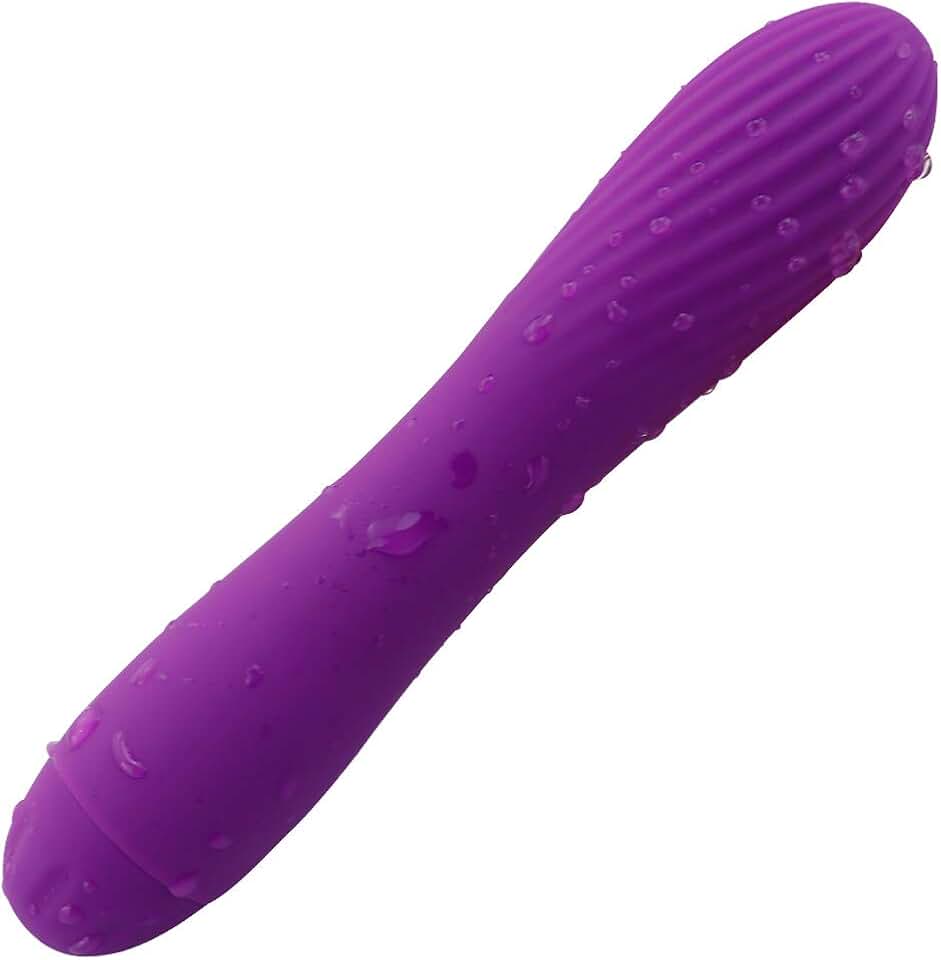 Cordless Electric Handheld Massager for Women Portable Quiet Travel Massage Tool with 10 Powerful Modes, Waterproof Massager 677C Cordless Electric Handheld Massager for Women Portable Quiet Travel Massage Tool with 10 Powerful Modes, Waterproof Massager 677C | 5.0★ | $21.99 | Strong 5.0★ average rating | Check price |
Material is the single most important — and most overlooked — factor when buying a toy. The right material is safe, easy to clean, and lasts; the wrong one can harbor bacteria or contain irritating additives. Here’s how to shop smart.
Porous vs non-porous: the key distinction
- Non-porous materials have no microscopic holes, so they can be cleaned thoroughly and don’t trap bacteria. These are the body-safe choice.
- Porous materials have tiny holes that can hold moisture and bacteria even after washing, and can’t be fully sterilized.
Body-safe materials (look for these)
- Medical-grade / 100% silicone — non-porous, soft, durable, easy to clean. The gold standard for most toys.
- Borosilicate glass — non-porous, body-safe, great for temperature play.
- Stainless steel — non-porous, hygienic, hypoallergenic, long-lasting.
- ABS plastic — non-porous and body-safe; common for bullet vibrators and hard surfaces.
Materials to be cautious with
- TPE / TPR — soft and realistic, and widely used in quality strokers, but porous. Fine if you clean and dry it well and replace it sooner; consider a condom for easy cleanup.
- PVC / “jelly” rubber — often porous and may contain phthalate softeners some people prefer to avoid. Frequently sold with vague material descriptions.
- Anything unlabeled — if a listing won’t tell you the material, treat that as a red flag.
How to shop with confidence
- Read the material field. “100% silicone,” “borosilicate glass,” or “stainless steel” are green flags.
- Be wary of buzzwords. “Silicone-like,” “jelly,” or “novelty” often signal porous materials.
- Check reviews for mentions of strong chemical smells (a possible sign of cheap materials).
- Match your lube. Use water-based lube with silicone toys.
Our body-safe examples
The picks below are popular options made from body-safe materials. Live pricing from Amazon.
FAQ
Is silicone really the best? For most toys, yes — it’s non-porous, soft, durable, and easy to clean. Glass and steel are excellent too where a firm material suits.
Are “phthalate-free” claims trustworthy? Reputable sellers list materials clearly. When in doubt, choose 100% silicone, glass, or steel and you sidestep the question entirely.
As an Amazon Associate we earn from qualifying purchases. This guide is informational and based on widely-accepted body-safety guidance, not medical advice.
Top picks from this guide